



Maharashtra Rental Housing Portal: Maharashtra is looking at a more organised and technology-driven rental housing system to address the growing demand for affordable accommodation in cities and bring vacant residential properties into the rental market. The proposed approach includes a State Rental Housing Portal that could connect property owners and tenants through verified listings, online rental agreements, digital payment records and improved mechanisms for resolving disputes.
Maharashtra Rental Housing Portal
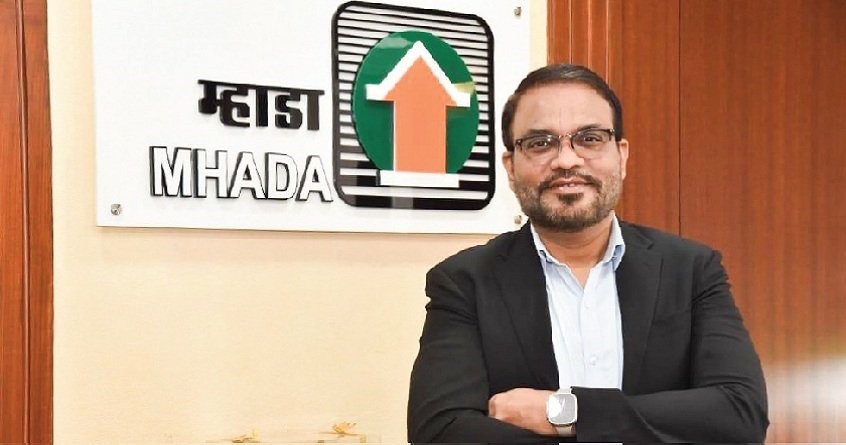
Sanjeev Jaiswal (IAS), Vice President and CEO of the Maharashtra Housing and Area Development Authority (MHADA), emphasised that India’s housing policy needs to look beyond home ownership and give rental accommodation a stronger role in urban development. He pointed out that students, working professionals, migrant workers and families affected by redevelopment often require suitable homes for specific periods without necessarily purchasing property. A reliable rental housing system, therefore, can help people move closer to employment, education and other opportunities. Maharashtra Rental Housing Portal News
Maharashtra’s Proposed Rental Housing Portal Could Digitise the Entire Process
One of the key proposals highlighted by Jaiswal is the creation of a State Rental Housing Portal under Maharashtra’s draft rental housing policy. The proposed portal aims to bring together several stages of the rental process that are currently handled separately by property owners and tenants. These include finding accommodation, verifying property listings, registering rental agreements, recording rent payments and addressing disputes. Under the proposed system, tenants could search for verified rental properties and register their agreements online. Once the tenancy begins, both landlords and tenants could have access to a shared record of rent payments.
The draft policy also proposes safeguards for security deposits and a defined process for resolving disputes. These measures are intended to improve transparency, reduce uncertainty and build confidence between property owners and tenants. According to Jaiswal, trust is one of the most important factors influencing whether an empty residential property enters the rental market. Property owners need assurance about tenant verification, timely rent payments and the protection of their property. Similarly, tenants need confidence that listings are genuine, agreements are clear and deposits and payments are properly recorded.
Vacant Homes and Housing Shortages Highlight a Major Policy Challenge
Research by the Centre for Social and Economic Progress highlighted this issue using historical data. A government estimate in 2012 placed India’s urban housing shortage at 18.78 million units, while Census 2011 recorded 11.09 million vacant urban homes. The research identified rent-control arrangements and difficulties in enforcing rental contracts as factors that could discourage property owners from renting out vacant houses. Maharashtra Rental Housing Portal
Jaiswal noted that regulatory reforms, better contract enforcement and reliable rental processes could help address these challenges and encourage owners to make unused properties available to tenants. The proposed digital rental system is intended to address some of the practical concerns that arise during a tenancy, including verification, payments, maintenance responsibilities, deposit settlements and dispute resolution.
Mumbai Metropolitan Region Needs Flexible Rental Housing
The issue is particularly significant in the Mumbai Metropolitan Region (MMR), where people regularly move for employment, education and other opportunities. The demand for rental accommodation also comes from families whose residential buildings are undergoing redevelopment. Such households may need temporary homes during construction, preferably within affordable distances of their existing neighbourhoods.
Jaiswal highlighted the importance of making temporary rental accommodation accessible to these families. For instance, a family living in Mumbai during the redevelopment of its building may need a temporary home nearby so that children can continue attending the same school and daily routines are not disrupted. Maharashtra’s draft rental housing policy proposes several measures to address these requirements. These include bringing vacant public housing into use, encouraging the development of rental housing near workplaces and educational campuses, and providing temporary accommodation for families affected by redevelopment.
Model Tenancy Act and PMAY-U 2.0 Strengthen the Policy Framework
The Model Tenancy Act, 2021 seeks to balance the interests of landlords and tenants by defining their responsibilities and providing a framework for rental agreements, security deposits, maintenance and dispute resolution. Another important initiative is Pradhan Mantri Awas Yojana-Urban 2.0 (PMAY-U 2.0), which became effective on September 1, 2024. Affordable Rental Housing is one of its four programme components.
The component is intended to support eligible households from economically weaker sections and low-income groups, including urban migrants. It recognises that not every household can afford to purchase a home and that many people require affordable rental accommodation for shorter or longer periods. India’s Affordable Rental Housing Complexes programme also recognises the importance of providing rental homes closer to workplaces, helping workers access employment opportunities and supporting more inclusive urban development.
International Models Offer Lessons for India’s Rental Housing Market
IAS Sanjeev Jaiswal also refers to international housing systems to highlight how different countries have developed institutional and digital approaches to rental accommodation. Vienna has approximately 220,000 city-owned flats and 200,000 cooperative flats, supported by established housing institutions. Singapore’s Housing and Development Board provides digital services through which eligible residents can apply for public rental flats, renew tenancies and make housing-related payments. Property owners can also update tenant details through the system.
In England, the Renters’ Rights Act 2025 provides for a Private Rented Sector Database covering residential landlords, rental properties and specified regulatory information.
Although these countries follow different housing models, their experiences highlight the importance of reliable information, clear regulations and capable institutions in building an effective rental housing market.
Maharashtra Rental Housing Portal: From Vacant Properties to Accessible Rental Homes
Maharashtra’s proposed rental housing reforms seek to address a broader urban challenge: ensuring that available residential properties can be accessed by people who need them. By introducing verified listings, online agreements, digital rent records and security deposit safeguards, the proposed State Rental Housing Portal could make the rental process more transparent and predictable.
However, the success of such a system will depend on its implementation, the reliability of verification mechanisms, effective dispute resolution and the confidence of both landlords and tenants. Jaiswal’s central argument is that housing policy must reflect how people live and work today. Home ownership will remain important, but rental accommodation also needs to become a dependable part of India’s urban housing framework. For Maharashtra, particularly the Mumbai Metropolitan Region, the proposed reforms could offer a way to connect vacant homes with people seeking affordable and flexible accommodation, while making the rental journey more secure for both sides.