



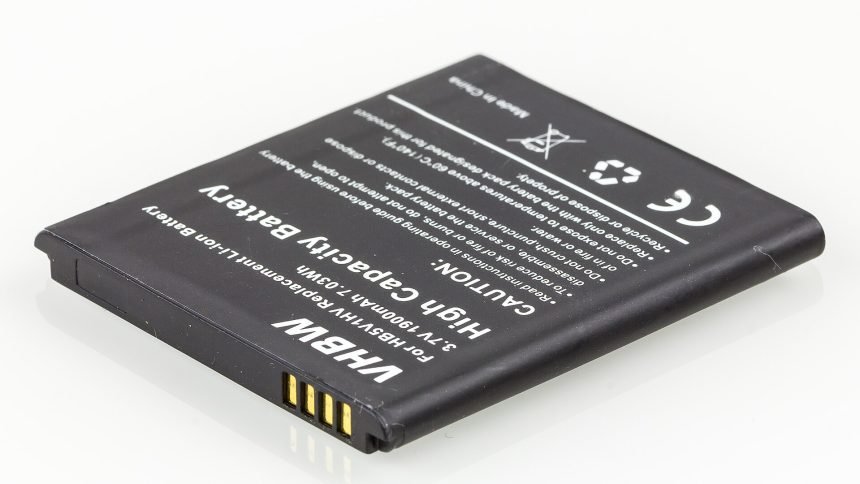
New Delhi – The battery waste compliance portal now cross-checks declared sales against GST filings and customs data, and that single integration has done more to enforce the rules than any penalty provision.
The Battery Waste Management Rules, 2022 were notified by the Ministry of Environment, Forest and Climate Change in August 2022. They apply to every battery, regardless of chemistry, shape, weight or use, which means a producer cannot argue a product type sits outside scope.
Targets differ sharply by chemistry
Lead-acid batteries carry a 90 per cent collection target by 2026. Lithium-ion carries 70 per cent by 2027.
The difference reflects reality rather than ambition. Lead-acid recycling in India is mature and commercially self-sustaining, because recovered lead has obvious value. Lithium-ion recovery is younger, more technically demanding, and the economics depend on volumes that are only now arriving as the first generation of electric vehicle batteries reaches end of life.
The data integration changes the calculus
Producers, importers and brand owners register on the CPCB portal, report sales volumes, and buy recycling certificates generated by authorised recyclers. Recyclers register through Form-3 and generate credits after processing.
What is new is verification. With the portal reading GST returns and customs import data, a producer understating volumes to reduce its obligation creates a discrepancy the system surfaces without anyone inspecting a site. Under-declaration has moved from a low-risk shortcut to a documented inconsistency across government databases.
Consequences of falling short
Without valid certificates and filed annual returns, a company faces portal suspension, environmental compensation and enforcement under the Environment (Protection) Act, 1986. Portal suspension is the sharpest of these, because it interrupts the ability to sell.
Source: Battery Waste Management Rules, 2022 and Central Pollution Control Board EPR battery portal documentation.