


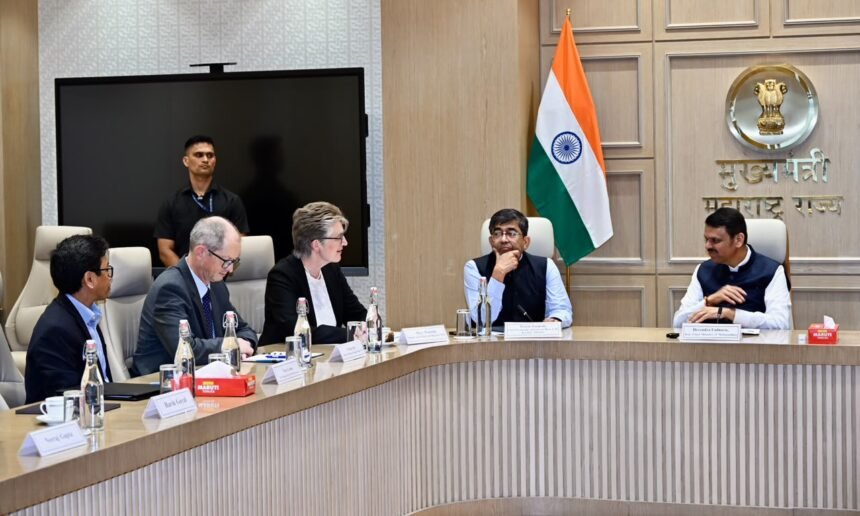
Maharashtra Compressed Biogas Plants: Maharashtra aims to start 30 to 40 compressed biogas (CBG) plants over the next year to reduce its dependence on imported natural gas. The plants will use agricultural waste and organic waste from cities to produce gas. Praveen Pardeshi, Chief Executive Officer of MITRA, shared the plan at a state-level workshop held in Mumbai. He said the state is developing a system to collect waste, coordinate with farmers and support the setting up of biogas plants. District collectors will play a key role in this process.
Maharashtra Compressed Biogas Plants: Big Gap Between Gas Demand and Supply
According to Pardeshi, Maharashtra needs around 50 million cubic metres of natural gas every day, while the supply is about 9 million cubic metres. This creates a large gap between demand and supply. He said the state could use agricultural waste and organic city waste to produce biogas and reduce its dependence on fuel imported from other countries.
Agricultural and Organic Waste Can Be Used
Pardeshi said agricultural waste could potentially meet around 8% of Maharashtra’s natural gas requirement. Separately, sorted organic waste from small and large cities could potentially meet around 90% of the requirement, according to the estimates shared at the workshop. He stressed that proper waste collection and transportation systems are needed to make use of this potential.
Maharashtra Compressed Biogas Plants: Small Cities and Villages to Be Included
Large cities generate enough waste to support bigger projects. However, smaller cities may not produce enough waste individually to make a plant financially viable. Agricultural waste in villages is also spread across different locations, making collection and transportation more expensive. To address this problem, district collectors will coordinate the collection of organic waste from small towns and agricultural waste from nearby villages. The waste will then be sent to shared biogas plants.
The state also plans to work with farmer-producer organisations, agricultural produce market committees and farmer-producer companies. Long-term agreements are expected to help ensure a regular supply of raw materials for the plants.
Projects Moving Forward in Vidarbha
Pardeshi said work on three to four projects has progressed in Wardha, Chandrapur, Nagpur and Nanded districts. Some of these projects have reached the production stage. The state also plans to develop an online dashboard to track project progress, waste availability and implementation in different districts.
Along with major cities such as Mumbai, Thane and Navi Mumbai, the state will also focus on smaller districts such as Latur and Dharashiv. The plan is to combine support under the central government’s Gobardhan scheme with Maharashtra’s state policy. The initiative aims to turn agricultural and organic waste into a useful energy resource while helping reduce dependence on imported natural gas.