



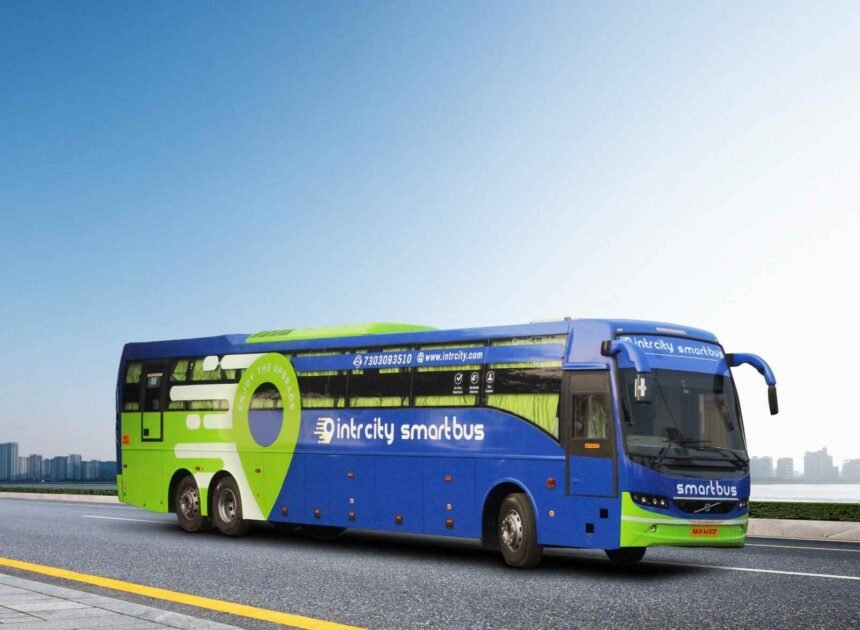
IntrCity SmartBus, a technology-enabled intercity mobility platform, has announced an estimated annual saving of 3 crore litres of water through the use of bio-washroom technology across its bus network. With nearly 1 crore passengers travelling on its buses every year and an average journey distance of around 600 km, the company is using the technology to improve onboard washroom facilities while reducing water consumption and addressing maintenance and waste-management challenges. Onboard washrooms are currently available across more than 95% of IntrCity SmartBus services, making them an important part of the company’s long-distance travel experience. As the network expands, the company is focusing on making these facilities more hygienic, reliable and resource-efficient.
Bio-Washrooms Can Reduce Water Consumption by Nearly 50%
According to the company, bio-washrooms use approximately 2 litres of water per flush, compared with around 4–5 litres in conventional toilets. Based on an estimated average of one washroom use per passenger per journey, the technology can save approximately 3 litres of water per passenger. With nearly 1 crore passengers travelling annually, IntrCity SmartBus estimates that these savings could add up to approximately 3 crore litres of water every year. The initiative addresses a key operational challenge associated with providing washrooms on long-distance buses: balancing passenger convenience with water consumption, cleanliness, odour control and efficient waste disposal.
IntrCity SmartBus Focuses on Passenger Comfort and Operational Efficiency
Manish Rathi, Co-founder and CEO of IntrCity SmartBus, said the company is working to improve different aspects of the passenger experience as its intercity network grows. He highlighted that onboard washrooms are an important requirement for long-distance travel and that the company is focused on making these facilities more reliable while addressing the operational challenges of maintaining them across multiple routes. According to Rathi, bio-washroom technology helps reduce water consumption while improving the functionality of onboard facilities. At the scale of the company’s operations, such improvements can contribute to both a better passenger experience and more efficient resource use. Lower water consumption can also reduce the frequency of water replenishment during operations. In addition, the bio-washroom system supports more efficient waste management, potentially reducing the effort required to maintain washrooms throughout long-distance journeys.
Onboard Washrooms Offer Greater Convenience for Long-Distance Travellers
For passengers travelling over several hours or overnight, access to a washroom can make a significant difference to the overall journey experience. Onboard facilities can reduce dependence on unplanned roadside stops, where the availability and hygiene of public washrooms may vary. Reliable access to washrooms can be particularly helpful for women, senior citizens and families travelling with children. By combining onboard amenities with improved maintenance practices, IntrCity SmartBus aims to make long-distance journeys more convenient and predictable. The company’s focus on passenger facilities also reflects the growing importance of comfort, hygiene and operational reliability in India’s intercity mobility sector.
Sustainability Becomes Part of Intercity Bus Operations
The bio-washroom initiative forms part of IntrCity SmartBus’ broader efforts to improve passenger amenities, safety, boarding infrastructure and operational processes through technology and infrastructure investments. Operating across more than 850 cities and over 200 routes, IntrCity SmartBus aims to provide standardised travel options across India’s long-distance bus network. Its companion brand, RailYatri, offers digital services for train travellers and serves more than 14 million users monthly, according to the company. With nearly 1 crore passengers travelling annually on its buses, the company is focusing on improvements across different stages of the journey, from boarding and onboard amenities to safety and operational reliability. The estimated annual water savings highlight how changes to essential facilities can contribute to resource conservation at scale. The actual impact will depend on passenger usage, operating conditions and the continued performance of the bio-washroom systems across the network.