



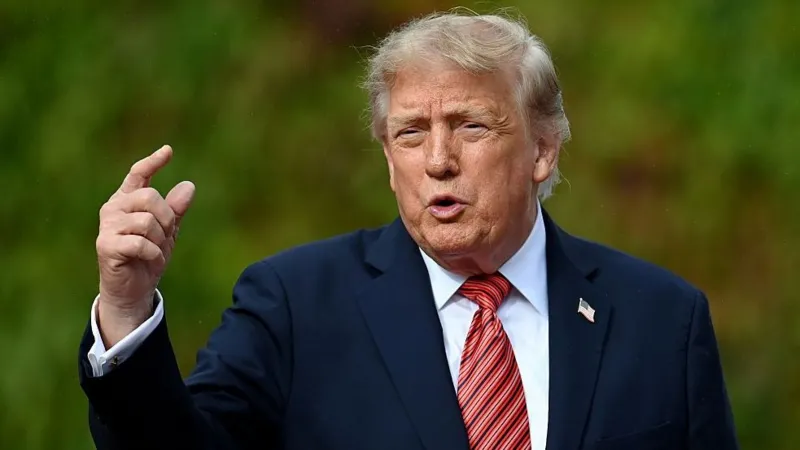
Donald Trump Midterm Election Results 2026: US Midterm Elections 2026 have delivered a major political setback to President Donald Trump, with his Republican Party losing control of both chambers of Congress — the Senate and the House of Representatives. The Democratic Party has secured a majority in both chambers, creating a significant political challenge for the Trump administration during the remaining two years of his presidential term. The election results are being viewed as an important indication of public opinion on Trump’s policies, leadership and the performance of his administration since returning to the White House.
Democrats Take Control of Both Chambers of Congress
The United States held its midterm elections on November 3, 2026. Elections were conducted for all 435 seats in the House of Representatives and 35 of the 100 seats in the Senate. Voters also participated in gubernatorial elections across several states. Before the elections, Republicans held a narrow majority in both chambers. However, Democrats made significant gains in several competitive states, changing the balance of power in Congress. The Democratic victory means that Trump will now have to deal with an opposition-controlled Congress while pursuing his legislative agenda.
Donald Trump Midterm Election Results 2026: Democrats Secure Majority in the Senate
The Senate results have delivered a significant setback to the Republican Party. Democrats secured 51 seats in the 100-member Senate, crossing the majority mark, while Republicans were left with 39 seats. Democrats registered important victories in states including North Carolina, South Carolina, Ohio, Kansas and Texas. In North Carolina, Democrat Roy Cooper defeated Republican candidate Michael Whatley. In Georgia, Jon Ossoff retained his Senate seat. Sherrod Brown also secured an important victory in Ohio, while Adam Hamilton’s win in Kansas added to the Democratic gains. The change in Senate control could have major implications for the confirmation of presidential nominees, legislative negotiations and congressional oversight of the administration.
Republicans Also Lose Control of the House of Representatives
The Republican Party also suffered a setback in the House of Representatives, where Democrats secured enough seats to take control of the chamber. The House has 435 members, and a party needs at least 218 seats to secure a majority. Democratic victories in several competitive congressional districts helped the party cross this threshold. With Democrats controlling both chambers, congressional committees will have greater authority to investigate government policies, summon administration officials for hearings and scrutinise federal spending. This could put several decisions taken by the Trump administration under increased congressional scrutiny.
Iran War, Inflation and Tariffs Become Major Election Issues
Several policy issues shaped the 2026 midterm election campaign. The conflict involving Iran, rising living costs, fuel prices, immigration policies and Trump’s tariff measures featured prominently in the political debate. Economic concerns remained particularly important for American voters. The cost of everyday goods, household expenses and the overall economic situation influenced the election narrative. The election outcome indicates that economic and foreign policy issues became significant challenges for Republicans as voters assessed the performance of the Trump administration.
Indian-Origin Republican Leader Vivek Ramaswamy Loses Governor’s Race
Indian-origin Republican leader Vivek Ramaswamy also suffered an electoral setback in Ohio’s gubernatorial election. Democratic candidate Amy Acton defeated Ramaswamy, who had received the backing of President Donald Trump. His defeat adds to the Republican Party’s difficulties in the elections and represents an important development for Indian-origin political representation in the United States. Meanwhile, Indian-origin Democratic leader Ro Khanna retained his seat in California’s 17th Congressional District, securing another victory for the Democratic Party in the House of Representatives.
Barack Obama Welcomes Democratic Victory
Former US President Barack Obama welcomed the Democratic Party’s performance in the midterm elections. He said the American people had sent a clear message and expressed the desire for politics that brings people together rather than dividing society. He also appreciated election officials and volunteers who participated in the democratic process. Obama emphasised that two years of Trump’s presidential term remain and encouraged Democrats to use their position in Congress constructively to address public concerns.
Tonight, the American people sent a clear message — they want a politics that brings people together rather than divides them, and leaders who offer concrete solutions to the challenges they face.
These results were only possible because outstanding candidates stepped forward in every region of the country — including in areas once considered long shots. They came from different backgrounds and represented a range of political perspectives, but were united by shared values, a belief in public service, and a commitment to putting the people of their districts and states first.
We also owe a debt of gratitude to the thousands of election officials and volunteers from both parties who helped ensure a smooth election and carried out one of the most essential functions of our democracy.
While this administration has another two years in office, our job now is to roll up our sleeves, make changes wherever we have the power to do so, prevent further damage, and lay the groundwork for the future.
— Barack Obama (@BarackObama) November 4, 2026
What Does the Democratic Victory Mean for Donald Trump?
The loss of both chambers of Congress could make Trump’s remaining two years in office politically challenging. With Democrats controlling the Senate and the House, the administration may face greater resistance over federal budgets, spending proposals, legislation and policy decisions. Democratic lawmakers will also have greater opportunities to conduct congressional investigations and question senior officials about government decisions. However, the election results do not take away the constitutional powers of the President. Trump will continue to retain his presidential authority, including the power to veto legislation passed by Congress.
Nevertheless, losing congressional control means Republicans will have to negotiate more extensively with Democrats to advance major legislative proposals. The 2026 US Midterm Elections have therefore changed the political balance in Washington. The focus will now shift to how Democrats use their newly acquired congressional majority and how the Trump administration responds to an opposition-controlled Congress. The political developments could also influence the national debate ahead of the 2028 US Presidential Election.