


New Delhi – Keonjhar district in Odisha has spent 3,000 crore rupees of mining money on local development over seven years. Whether communities displaced by those mines can point to the difference is the question the District Mineral Foundation model has never satisfactorily answered.
The foundations were created by the Mines and Minerals (Development and Regulation) Amendment Act, 2015, which requires every mining-affected district to establish a non-profit trust funded by a levy on mineral extraction.
The design is sound and the execution is uneven
Directing a share of mineral rent to the district where extraction happens is good policy. Mining imposes local costs, dust, water contamination, displacement, and delivers revenue mostly to state and central treasuries.
The recurring criticism is that spending drifts toward visible infrastructure rather than the people directly affected. Money moves, assets appear, and the households that lost land or water access remain outside the benefit.
What the 2026 Bill adds
The Mines and Minerals Amendment Bill 2026 requires environmental impact assessments and social impact assessments for all mineral projects, with stricter penalties for non-compliance and illegal mining. It also creates a Mineral Security Fund supporting technology adoption and affected communities.
Mandatory social impact assessment is the significant addition. Environmental assessment has been required for years. Formal assessment of who bears the social cost has not, and that asymmetry shaped which harms got counted.
Closure plans and star ratings
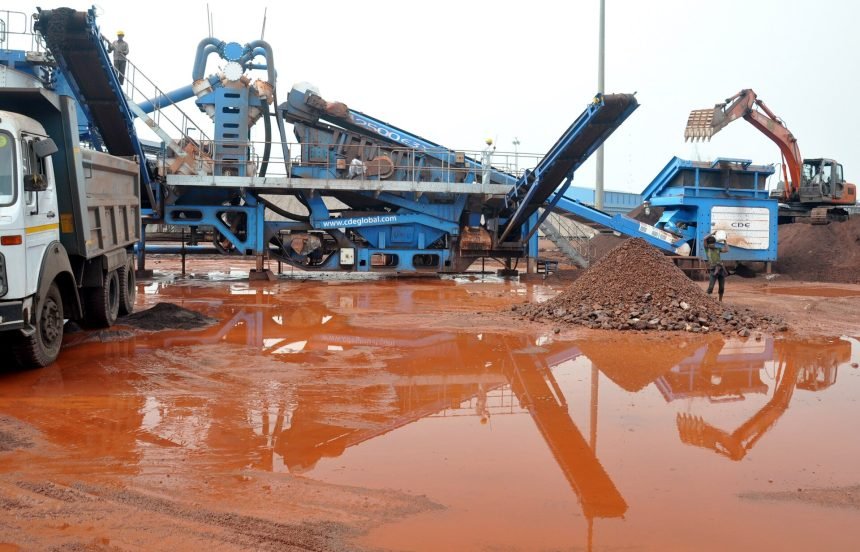
Mine closure plans for environmental rehabilitation are mandatory, and a star rating system scores mines on sustainable practice. Promotion of manufactured sand is intended to reduce river sand extraction, one of the most damaging and least regulated forms of mining in India.
For listed miners, closure liabilities and community spending both surface in BRSR reporting, where they are easier to state than to evidence.
Source: Mines and Minerals (Development and Regulation) Amendment Act, 2015, District Mineral Foundation spending records, and the Mines and Minerals Amendment Bill 2026.