



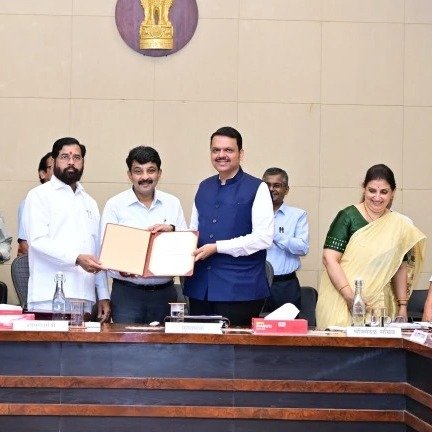
SRA Private Land Slum Declaration: The Slum Rehabilitation Authority (SRA) in Maharashtra has outlined a process aimed at giving private landowners an opportunity to present their objections before their properties are declared slum areas. According to the SRA, landowners will receive a written notice before such a declaration, followed by a 30-day period to submit objections and an opportunity for a personal hearing before the SRA Chief Executive Officer (CEO).
View this post on Instagram
The process aims to make decisions relating to slum declarations more transparent by ensuring that affected private landowners are informed in advance and have an opportunity to present their side. The announced procedure outlines three key stages: written notice, a 30-day objection period and a personal hearing before a decision is taken.
SRA Private Land Slum Declaration: Written Notice Before Declaring Private Property a Slum
Under the process outlined by the SRA, private landowners will receive a written notice before their property is declared a slum area. The notice is intended to inform them of the proposed action and provide an opportunity to raise objections within the prescribed period.
The requirement is significant because a slum-area declaration can have implications for the use and treatment of the affected property. Giving landowners advance notice and an opportunity to respond can help ensure that their concerns are considered during the decision-making process. The exact format of the notice, the documents required and the implementation details will depend on the applicable SRA orders and guidelines.
SRA Private Land Slum Declaration: Landowners to Get 30 Days to File Objections
According to the SRA, landowners will have 30 days after receiving the notice to submit their objections. During this period, they will be able to present their concerns and supporting information relating to the proposed slum declaration. The objection window is intended to give affected owners time to review the notice and prepare their response.
The process also provides a defined period for objections to be submitted before the matter proceeds to the next stage.
Personal Hearing Before the SRA CEO
A personal hearing is another key feature highlighted in the announcement. Private landowners will have an opportunity to appear before the SRA CEO and present their objections. This stage is intended to provide a direct opportunity for the concerned landowners to explain their position and bring relevant information to the attention of the authority. The final decision on the slum declaration will be taken after considering the objections and the submissions made during the process. The objective is to promote a more transparent decision-making framework.
SRA Focuses on Transparency in Slum Declaration Process
The SRA plays an important role in Maharashtra’s slum rehabilitation framework. Decisions involving the declaration of slum areas can affect property-related matters and the implementation of rehabilitation initiatives. The process outlined by the authority seeks to ensure that private landowners are notified before a declaration, receive a 30-day window to raise objections and have an opportunity for a personal hearing before the SRA CEO.
SRA Private Land Slum Declaration
These procedural safeguards are intended to improve transparency and allow the concerns of affected landowners to be considered before a final decision is made. However, the information graphic does not specify the complete legal framework, the effective date of implementation or whether the procedure applies to every category of slum declaration. Landowners should refer to the relevant official SRA notifications and applicable legal provisions for case-specific details.
The move is expected to improve accountability in Maharashtra’s slum rehabilitation process by ensuring that private landowners are informed and heard before a decision is made. By introducing a structured notice and objection mechanism, the SRA aims to balance redevelopment requirements with property owners’ interests while promoting greater transparency in land-related decisions.