


New Delhi – India has sold 2.66 million electric vehicles in a year and built 2.8 per cent of the battery cell capacity it promised. That gap is the central vulnerability in the country electric vehicle programme.
PM E-DRIVE, launched in October 2024 with an outlay of 10,900 crore rupees, replaced FAME-II as the flagship demand incentive. It targets support for more than 28 lakh vehicles, of which 22.12 lakh had been sold by January 2026.
Demand policy is working
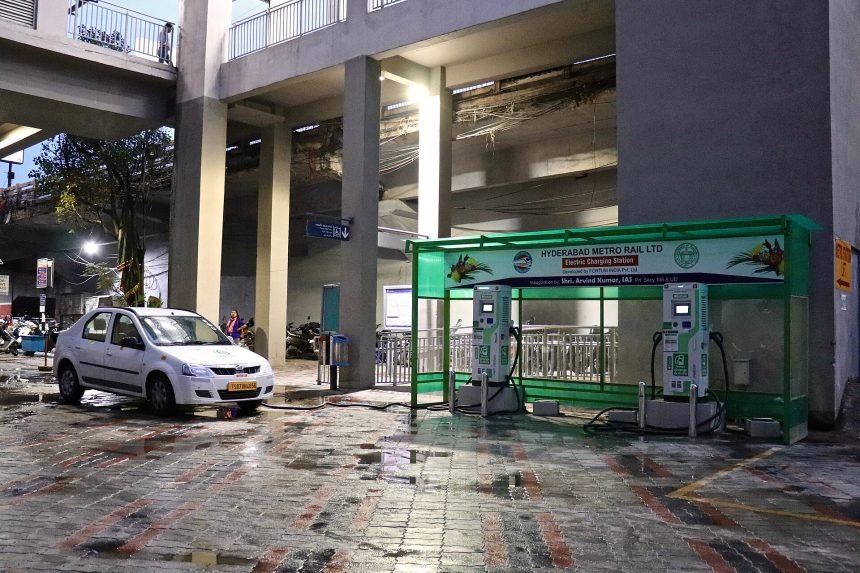
NITI Aayog targets 30 per cent electric penetration across all vehicle categories by 2030, which implies roughly 10 million sales a year. Charging infrastructure is scaling toward that, with more than 29,000 public stations by December 2025 and a further 72,300 targeted under PM E-DRIVE. Some 4,391 crore rupees has gone to 14,028 electric buses across seven major cities.
Supply policy is not
The Advanced Chemistry Cell production linked incentive scheme set a 50 GWh domestic cell manufacturing target. Delivery stands at about 2.8 per cent of it.
Cells are the majority of a vehicle cost and effectively all of its supply chain risk. A market selling millions of vehicles while importing nearly all its cells has substituted oil dependence for battery dependence, mostly on a single country.
Domestic production is beginning. Ola Electric is producing cells at 5 GWh a year with a stated path to 100 GWh by 2030. One plant at early volume does not close a 50 GWh gap.
The end-of-life question arrives next
Every vehicle sold today becomes a battery waste obligation in under a decade, under rules requiring 70 per cent lithium-ion collection by 2027. Companies scaling sales now are accruing a recycling liability that has not yet appeared on anyone balance sheet.
Source: Ministry of Heavy Industries PM E-DRIVE data, NITI Aayog targets and Advanced Chemistry Cell PLI progress reporting.