



New Delhi – The Supreme Court has narrowed its examination of the amended forest law to the constitutional validity of one definition, and directed every state and union territory to compile records of land that behaves like forest without being classified as one.
The order of 16 September 2026 defers land-specific disputes to the High Courts, and requires expert committees to prepare consolidated records of forest-like, unclassed and community forest lands under Rule 16(1) of the 2023 Rules.
Why a definition carries this much weight
The Forest (Conservation) Amendment Act, 2023 renamed the 1980 statute and, more consequentially, changed which land the law protects. Petitioners argue the amendment removes protection from unclassed forests that earlier Supreme Court orders had covered.
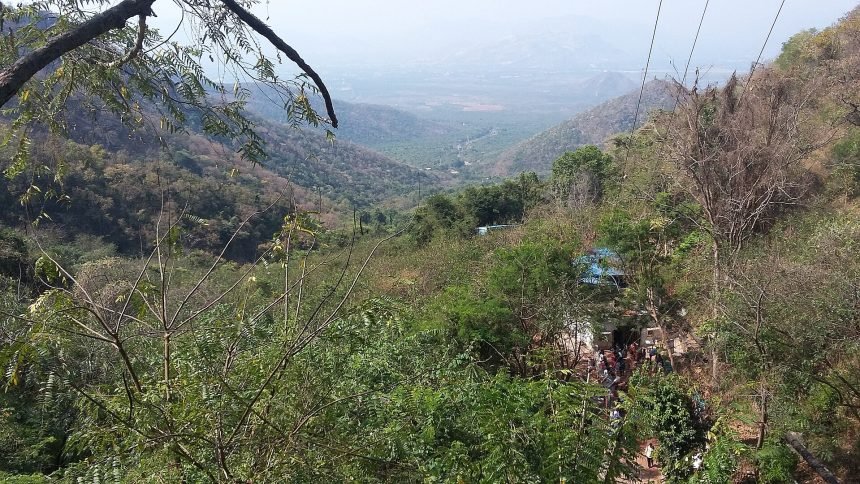
The practical stake is enormous. Land recorded as forest in a revenue register is protected. Land that is dense forest in fact but unclassified in the record may not be. India has a great deal of the second kind, and no consolidated inventory of it, which is precisely the gap the Court has now ordered to be closed.
The compensatory afforestation objection
A separate challenge concerns where replacement planting may occur. Petitioners flag that compensatory afforestation has been permitted on notified degraded forests, revenue forests and unclassed forests, categories carrying protection under earlier orders.
If replacement forest is planted on land that was already forest, the exchange produces no net gain. It records a gain while delivering a loss, and the accounting hides it.
Green credits enter the picture
The amendment allows green credits to be exchanged against compensatory afforestation obligations when forest land is diverted. That links two systems whose integrity now depends on each other, which is one reason the tightening of green credit rules toward five-year survival and canopy cover matters beyond its own programme.
What companies should note
Any project involving forest land diversion now carries timeline risk that is judicial rather than administrative. A clearance granted under the current framework sits under a pending constitutional challenge, and biodiversity impact is a BRSR disclosure item.
Source: Supreme Court order of 16 September 2026, the Forest (Conservation) Amendment Act, 2023 and Rules made under it.