



New Delhi – India generates roughly 620 lakh tonnes of municipal solid waste a year, and new rules require every obligated entity to register on a central online portal by 1 October 2026.
The Solid Waste Management Rules, 2026 replace a 2016 framework whose implementation gaps produced exactly the outcomes it was meant to prevent: poor segregation, overburdened landfills and health damage around dump sites.
Segregation at source is the whole system
Every downstream option depends on it. Composting needs clean organic waste. Recycling needs uncontaminated dry waste. Waste to energy needs material with usable calorific value.
Mixed waste defeats all three at once, which is why a rule requiring households to separate at the bin determines whether hundreds of crores of processing infrastructure works or idles.
The waste to energy problem is physics
Indian municipal waste is predominantly wet organic material with low calorific value. Burning it requires energy to drive off moisture before combustion yields anything, which is why plants underperform their design and several have required auxiliary fuel.
Composting and biomethanation suit wet waste far better. Waste to energy has attracted disproportionate policy attention because it produces a visible plant and a tariff, while composting produces neither.
Legacy dumps are the unfunded liability
Swachh Bharat Mission 2.0 targets full scientific processing of municipal waste, remediation of legacy dump sites and source segregation in all households.
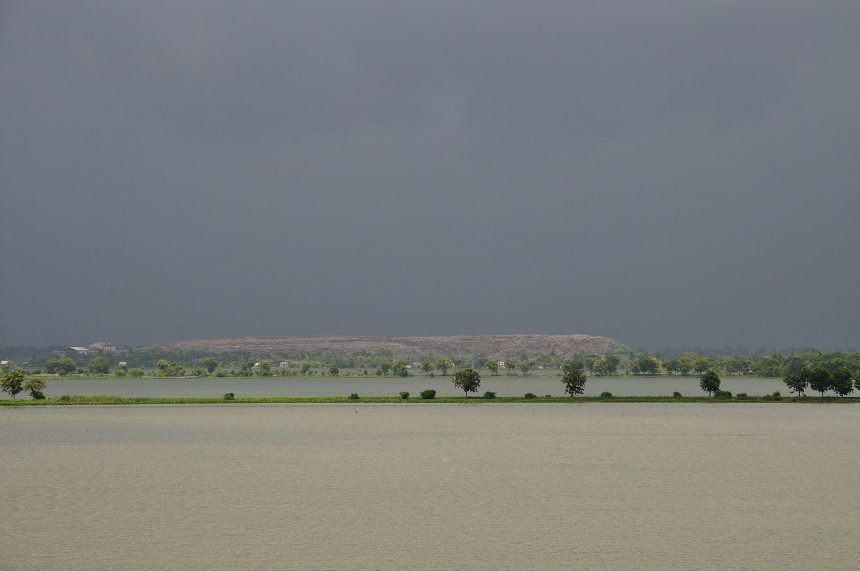
Remediation of existing mountains of mixed waste is expensive, slow and politically thankless, because success looks like absence. It is also where the groundwater contamination and methane emissions are concentrated.
Source: Solid Waste Management Rules, 2026 and Swachh Bharat Mission 2.0 targets.