



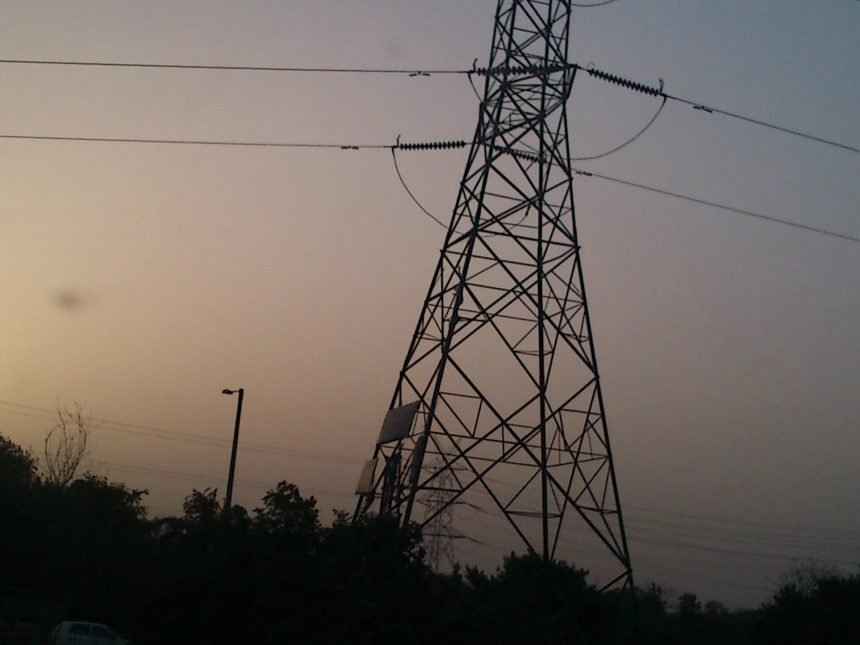
New Delhi – About a third of India recently commissioned renewable capacity faces curtailment because the transmission network cannot carry what it generates. During solar hours, curtailment on some routes has run between 50 and 60 per cent, and in places reached 100 per cent at the midday peak.
Transmission additions have lagged their targets by nearly half. Around a third of 54.8 GW of recently commissioned capacity was being evacuated through a temporary network access route rather than firm connectivity.
Curtailment is wasted capital
A curtailed solar plant is a fully built, fully financed asset producing nothing at the moment it produces most cheaply. The developer still services debt.
That risk gets priced. Once lenders believe a project may be curtailed, the cost of capital for the next project rises, which raises the tariff, which makes the transition more expensive than the falling cost of panels suggests.
Geography created the problem
India best solar and wind resources sit in Rajasthan and Gujarat. Its largest demand centres do not. Every gigawatt built there needs a corridor to somewhere else, and a transmission line takes far longer to plan, secure land for and build than a solar farm.
Waiving inter-state transmission charges accelerated generation without accelerating the network, which widened the gap it was meant to close. The government estimates a requirement of 61,411 circuit kilometres of additional inter-state capacity by 2029, and a corridor programme of roughly 50,000 crore rupees is planned.
What this does to corporate renewable claims
A company contracting renewable power for a BRSR disclosure should know whether the plant supplying it is being curtailed. Contracted capacity and delivered units are different numbers, and only one of them reduces emissions.
Source: Central Electricity Authority and Ministry of Power transmission planning data, and grid curtailment analysis published in 2026.